

Ketamine Assisted Psychotherapy
Ketamine therapy can help with anxiety disorders, especially if you don’t respond to traditional treatment methods.
Contact Time For Ketamine today to learn more.
Ketamine Assisted Psychotherapy
Ketamine therapy can help with anxiety disorders, especially if you don’t respond to traditional treatment methods.
Contact Time For Ketamine today to learn more.
Conditions We Treat
Table of Contents
For some people, traditional talk therapy reaches a point where insight alone no longer feels sufficient. Patterns remain difficult to shift, emotional defenses stay firmly in place, or symptoms continue despite years of treatment efforts. Ketamine-assisted psychotherapy offers a different approach by combining ketamine therapy with structured therapeutic support in a medically supervised setting.
Rather than focusing only on symptom reduction, this model is designed to help individuals engage more deeply with emotional processing, behavioral change, and long-term healing. At Time For Ketamine, ketamine-assisted psychotherapy is approached with clinical oversight, licensed therapeutic support, and specialized care tailored to each patient’s goals and history.
Call Time For Ketamine today at 855-515-5606 to begin ketamine treatment.
What Is Ketamine Assisted Psychotherapy?
Ketamine-assisted psychotherapy, often called KAP therapy, combines IV ketamine treatment or Spravato with guided psychotherapy sessions before, during, and after treatment. Unlike standalone ketamine infusions that primarily focus on the biological effects of ketamine, KAP places equal emphasis on the therapeutic process surrounding the experience.
During treatment, ketamine may create a temporary altered state that allows some individuals to access thoughts, emotions, memories, or perspectives differently than they can during ordinary consciousness. Patients often describe feeling less emotionally guarded, less trapped in repetitive thought patterns, or more open to exploring difficult experiences.
It is important to keep in mind that this process differs significantly from illegal or unsupervised psychedelic experiences. Ketamine psychotherapy at Time For Ketamine takes place in a legal, medically supervised clinical environment with licensed providers involved throughout treatment. The goal is not to escape or for recreational purposes, but rather the careful integration of ketamine therapy with evidence-based psychological support.
The KAP Process at Time For Ketamine
KAP therapy involves more than simply receiving ketamine during a counseling session. The process is structured to help patients prepare for treatment, move through the experience safely, and integrate insights afterward in a meaningful way. We have locations in both Georgia and Tennessee. A summary of what you can expect during KAP is highlighted below.
Preparation Sessions
Before treatment begins, patients meet with a therapist to discuss symptoms, treatment history, personal goals, and emotional concerns. Preparation sessions help establish trust between the patient and therapist while creating a clearer framework for the treatment process.
This stage may include identifying patterns the patient hopes to address, discussing intentions for treatment, and developing strategies for navigating emotional experiences that may arise during ketamine sessions. Building psychological safety before treatment is considered an important part of the process.
Dosing Sessions
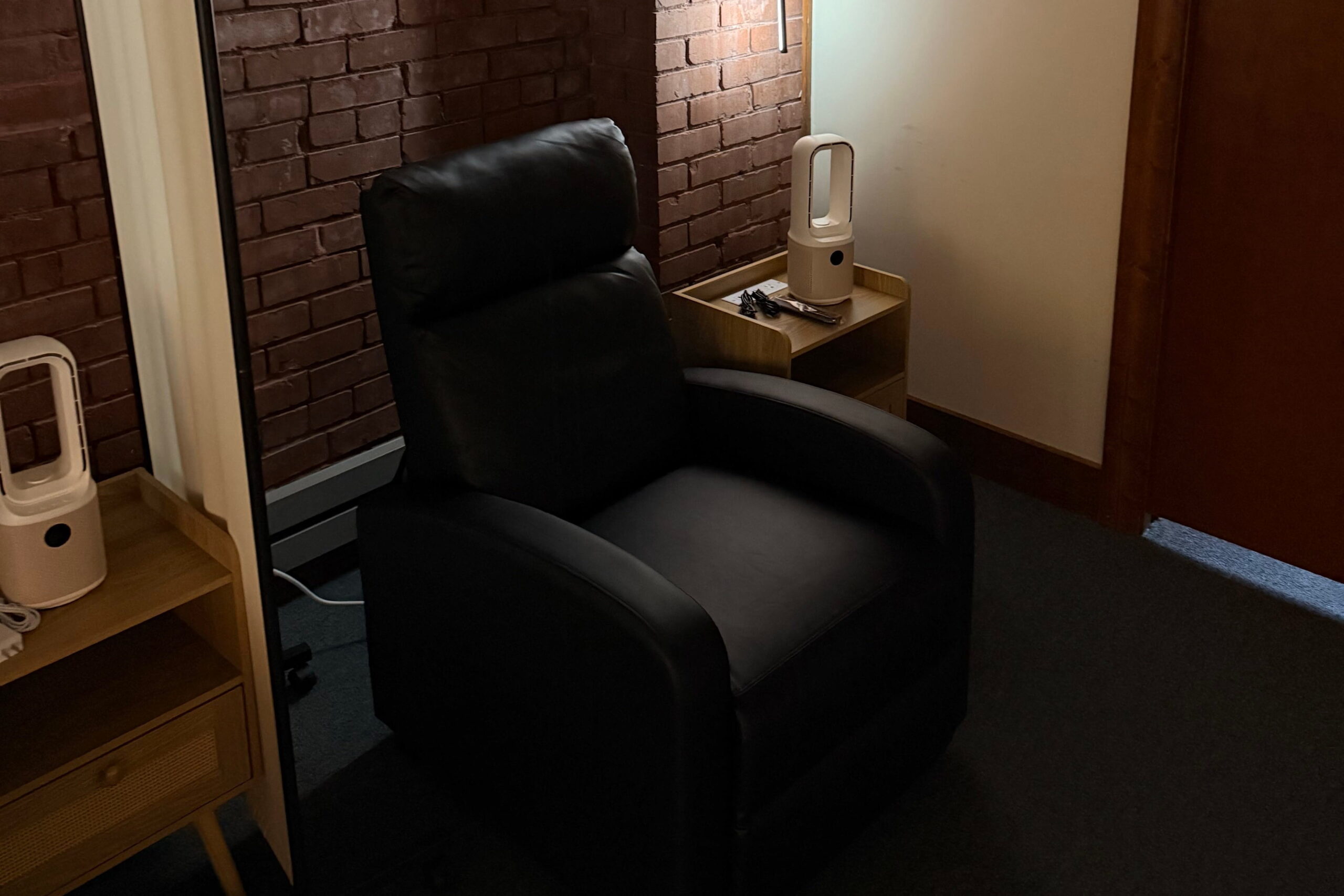
During dosing sessions, ketamine is administered in a medically monitored environment while therapeutic support remains available throughout the experience. Depending on the treatment plan, sessions may involve periods of quiet introspection, guided therapeutic interaction, or reflective processing during the infusion itself.
Some individuals experience dreamlike imagery, emotional insight, altered perceptions of time, or shifts in perspective while under the effects of ketamine. Others experience a quieter internal experience focused more on emotional relaxation or reduced mental rigidity. The therapist’s role during treatment is not to direct the experience artificially, but to help support emotional safety, grounding, and therapeutic exploration when appropriate.
Integration Sessions
Integration therapy is one of the most important parts of ketamine-assisted psychotherapy. After the infusion experience, patients work with their therapist to process insights, emotions, memories, or behavioral patterns that emerged during treatment.
Without integration, meaningful experiences may remain abstract or difficult to apply in daily life. Integration sessions help patients connect the experience to long-term emotional growth, coping strategies, relationship patterns, trauma recovery, or behavioral change goals. For many individuals, this ongoing therapeutic work becomes the foundation for sustained progress after treatment.
During IV ketamine anxiety treatment, low therapeutic doses of ketamine are administered intravenously in a medically supervised environment. The infusion is carefully monitored while patients relax in a comfortable setting throughout the session. Researchers believe ketamine may help interrupt rigid thought patterns commonly associated with anxiety disorders while supporting the formation of new neural connections. Although individual responses vary, some patients report feeling calmer, less emotionally reactive, and better able to manage anxious thoughts after treatment.
How Does Ketamine Assisted Psychotherapy Work?
KAP therapy works through both biological and psychological mechanisms. Ketamine affects the brain differently than traditional antidepressants by acting on the glutamate system rather than primarily targeting serotonin pathways. Researchers believe this process may temporarily increase neuroplasticity. As a result, the brain may become more adaptable and receptive to change.
At the same time, the altered state produced during ketamine sessions may reduce certain psychological defenses or rigid thought patterns that normally interfere with therapeutic work. Some patients report feeling able to approach trauma, grief, fear, or critical ways of thinking with greater openness and less emotional overwhelm.
Overall, this combination of increased psychological flexibility and therapeutic guidance is one reason ketamine therapy with counseling has gained attention among patients seeking a more integrative mental health treatment approach.
What Makes KAP Different From Standard Ketamine Infusions?
Standard ketamine infusion therapy primarily emphasizes symptom relief through the neurological effects of ketamine itself. While many patients benefit from this approach, ketamine-assisted psychotherapy expands the process beyond symptom management alone.
In KAP therapy, the therapist plays an active role before, during, and after treatment. The therapeutic relationship becomes part of the treatment itself rather than something separate from the infusion process.
This allows for deeper psychological exploration and may help patients address long-standing emotional patterns, trauma responses, existential concerns, or behavioral habits in a more intentional way. Rather than focusing only on immediate symptom reduction, psychedelic-assisted therapy models like KAP aim to support lasting emotional and psychological integration.
KAP also differs significantly from informal psychedelic experiences outside clinical settings. Treatment occurs legally under medical supervision with structured preparation, therapeutic oversight, and safety protocols throughout the entire process.
Conditions KAP May Help
Ketamine-assisted psychotherapy may be appropriate for adults struggling with mental health conditions that have not fully responded to traditional treatment approaches alone. Because KAP therapy combines neurological intervention with structured therapeutic support, it is often explored by individuals seeking a more holistic and emotionally focused treatment experience.
- Treatment-resistant depression: Persistent depression that continue despite multiple medication trials, therapy approaches, or ongoing psychiatric care.
- PTSD and trauma-related symptoms: Trauma responses such as hypervigilance, intrusive memories, emotional shutdown, or chronic nervous system activation that interfere with daily life.
- Anxiety disorders and chronic emotional overwhelm: Ongoing anxiety, panic symptoms, racing thoughts, or emotional overstimulation that remain difficult to manage through conventional treatment alone.
- Existential distress or persistent emotional disconnection: Feelings of emptiness, loss of meaning, emotional numbness, or difficulty feeling connected to oneself, others, or everyday life.
- Substance use disorders: Compulsive patterns of alcohol or drug use that are often connected to unresolved emotional pain, trauma, anxiety, or depression.
- Depression or anxiety occurring alongside trauma histories: Emotional symptoms that may be closely linked to unresolved trauma, chronic stress exposure, or long-standing survival patterns.
Some individuals pursue ketamine-assisted psychotherapy near me after years of therapy that provided insight but limited emotional change. Others seek KAP because they want a treatment approach that combines neurological intervention with deeper therapeutic work rather than using medication alone.
The Science Behind KAP
One reason researchers are increasingly interested in ketamine psychotherapy involves the concept of neuroplasticity. Ketamine appears to temporarily increase the brain’s capacity to form and strengthen new neural connections following treatment.
This post-infusion neuroplasticity window may create an opportunity for new emotional learning, behavioral change, and therapeutic insight to become more deeply integrated. Researchers believe this may help explain why psychotherapy performed around ketamine treatment can feel more emotionally accessible or impactful for some patients.
Integration matters because lasting psychological change often requires more than a temporary shift in symptoms. KAP therapy focuses on helping patients apply insights from treatment into daily life, relationships, coping strategies, and long-term emotional health.
Rather than viewing ketamine as a standalone solution, ketamine-assisted psychotherapy approaches treatment as a collaborative process involving medical care, therapeutic guidance, self-reflection, and continued mental health support.
Our Locations
Time For Ketamine offers services in Tennessee and Georgia.
Visit us today to learn more about our locations.
Frequently Asked Questions
How Is KAP Different From Just Getting Ketamine Infusions?
Standard ketamine infusions deliver neurobiological benefit—rapid relief from depression, anxiety, or PTSD—through the medication alone. KAP pairs that with structured psychotherapy: a preparation session before, a therapist present during the dosing session, and an integration session after. The goal is to use the neuroplasticity window opened by ketamine to do deeper psychological work that produces more lasting change.
Is KAP Like MDMA or Psilocybin Therapy I've Read About?
KAP shares the same general framework as other psychedelic-assisted therapies—preparation, dosing session, integration—but uses ketamine, which is a legal, FDA-regulated medication. It does not require special research enrollment and is available now at licensed clinics like ours.
Do I Have to Talk or Process Anything During the Ketamine Session Itself?
No. Most KAP protocols involve resting quietly with an eye mask and music during the dosing session. The therapist is present for support and safety, but you are not required to speak or process anything verbally in the moment. That work happens in integration sessions afterward.
How Many KAP Sessions Will I Need?
A typical protocol involves one preparation session, a series of ketamine dosing sessions (often three to six), and corresponding integration sessions. Your provider and therapist will tailor the plan to your specific goals and response to treatment.
I Already Have a Therapist I Work With. Can I Still Do KAP at Your Clinic?
Potentially yes, depending on your therapist’s training and our clinical protocol. We encourage coordination between providers. Reach out to discuss how we can work with your existing care team.
Schedule a KAP Consultation
Exploring ketamine-assisted psychotherapy often comes after years of searching for approaches that feel both clinically grounded and emotionally meaningful. Whether you are struggling with depression, trauma, anxiety, or substance use challenges, KAP therapy may offer a more holistic path forward that combines ketamine treatment with structured therapeutic support.
If you are interested in learning more about ketamine-assisted psychotherapy near me, Time For Ketamine can help you determine whether this approach aligns with your treatment goals and mental health needs. Contact us today to schedule a confidential KAP consultation!