

Ketamine Therapy for Depression
Ketamine therapy for depression can help you find relief from your symptoms when traditional therapy doesn’t work.
Contact Time For Ketamine today to learn more.

Ketamine Therapy for Depression
Ketamine therapy for depression can help you find relief from your symptoms when traditional therapy doesn’t work.
Contact Time For Ketamine today to learn more.
Conditions We Treat
Table of Contents
When depression continues despite medications, therapy, and repeated attempts to feel better, it can become difficult to imagine lasting relief. Many people exploring ketamine therapy for depression have spent years managing symptoms that affect relationships, work, motivation, and overall quality of life. At Time For Ketamine, care is centered on providing a safe, comfortable, and medically supervised environment for individuals seeking an alternative when traditional treatments have not worked.
Call Time For Ketamine today at 855-515-5606 to begin ketamine treatment.
How Does Ketamine Help with Depression?
Depression affects far more than mood alone. Many individuals experience emotional numbness, exhaustion, difficulty concentrating, disrupted sleep, and a loss of interest in everyday life. Unlike traditional antidepressants that primarily target serotonin, ketamine works on the brain’s glutamate system, which plays an important role in mood regulation, learning, and neural communication.
This difference is significant for people with treatment-resistant depression. Ketamine therapy for depression may help restore disrupted neural pathways and improve the brain’s ability to adapt and recover. Because of this unique mechanism, some patients notice improvements in mood, emotional responsiveness, and motivation much faster than they experienced with conventional antidepressants.
The Science Behind Ketamine
Researchers continue studying why ketamine treatment for depression can be effective for individuals who have not responded to other medications. Current evidence suggests one of the key factors is neuroplasticity, or the brain’s ability to form and strengthen neural connections.
Chronic depression may weaken communication between brain regions involved in stress response and emotional regulation. Ketamine appears to stimulate new synaptic connections. This potentially helps the brain process emotions more effectively.
Rather than gradually altering neurotransmitter levels over several weeks, IV ketamine depression treatment may activate pathways associated with emotional recovery much more rapidly. For many patients, this alternative approach offers renewed hope after years of limited improvement.
How Does Ketamine Treat Depression?
Ketamine treats depression through a fundamentally different biological pathway than traditional antidepressants, which is one reason it is often considered for treatment-resistant cases. Instead of slowly adjusting serotonin levels like SSRIs and SNRIs, ketamine works on the brain’s glutamate system. This alternative mechanism may help explain why some patients experience changes in mood and cognition more quickly than they did with conventional medications.
Unlike serotonin-based treatments, ketamine targets the NMDA receptors within the glutamate pathway, shifting how brain cells communicate and respond to stress. This action is believed to promote rapid neuroplasticity, which may support improvements in mood, drive, and emotional regulation. For some individuals with treatment-resistant depression, these changes can begin within hours to days of treatment, rather than the weeks typically required with traditional antidepressants.
Ketamine Treatment Locations
Time For Ketamine offers services in Tennessee and Georgia.
Visit us today to learn more about our locations.
Who Is a Candidate for Ketamine Therapy?
Ketamine therapy may be appropriate for adults experiencing persistent depressive symptoms that have not responded well to traditional treatment. Many individuals pursuing treatment-resistant depression ketamine therapy have already tried multiple antidepressants, therapy approaches, or medication combinations without adequate relief.
Candidates may include individuals experiencing:
An initial evaluation helps determine whether ketamine infusion for depression is clinically appropriate based on medical history, symptoms, and treatment goals.
Why Do Non-Ketamine Depression Drugs & Treatments Fail?
Many people seeking ketamine therapy for depression have spent years trying different medications and treatment approaches without consistent improvement. This can become emotionally exhausting.
Depression is complex, and no single treatment works for everyone. Traditional antidepressants primarily target serotonin and related neurotransmitters, while ketamine works through glutamate pathways that may affect the brain differently. Trauma, chronic stress, anxiety disorders, medication side effects, and individual brain chemistry can all influence how someone responds to treatment.
Not responding to antidepressants does not mean someone is out of options. More individuals are now exploring ketamine for depression near me because they are searching for alternatives that work differently from conventional medications.
How to Know When It's Time for Ketamine
For many people, considering ketamine therapy comes after repeated attempts to improve symptoms through standard treatment methods. Certain signs may indicate it is time to explore additional options.
You may benefit from an evaluation if:
- You have tried two or more antidepressants without meaningful improvement
- Depression continues to interfere with work, relationships, or daily functioning
- Medication side effects have become difficult to manage
- Symptoms continue returning despite treatment adjustments
- You are looking for a treatment that may work more rapidly
Seeking another option after unsuccessful treatment experiences can feel overwhelming, but exploring new approaches may help restore a sense of possibility and progress.
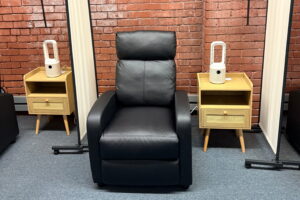
Tour Our Clinics






How Quickly Does Ketamine Work?
One reason ketamine therapy for depression has gained attention is the speed at which some patients experience improvement. Traditional antidepressants often require several weeks before changes become noticeable, and many individuals still do not achieve adequate relief.
Ketamine works differently. Some patients report reduced depressive symptoms within hours or days after treatment begins, while others experience more gradual improvement during the first several infusions. Research has shown promising response rates among individuals with treatment-resistant depression who have not benefited from conventional medications.
After the initial series, some clients continue with maintenance infusions based on their individual needs and symptom response.
Is Ketamine Therapy Safe?
Ketamine therapy is performed in a medically-supervised environment with continuous monitoring throughout treatment. Patient safety and comfort remain a priority during every infusion.
Temporary side effects may include:
- Mild dissociation
- Dizziness
- Nausea
- Fatigue
- Temporary perceptual changes during treatment
These effects generally resolve shortly after the infusion ends. Patients remain monitored until they are stable and ready to leave the clinic.
It is important to note that when administered therapeutically under professional supervision, ketamine is not considered habit-forming at prescribed treatment doses.
What to Expect at Time For Ketamine
Beginning a new treatment can feel intimidating, especially after previous treatments have not worked. At Time For Ketamine, the process is designed to feel supportive, comfortable, and structured from start to finish.
Treatment begins with a comprehensive evaluation reviewing mental health history, previous medications, current symptoms, and overall health. From there, our providers create an individualized treatment plan tailored to each client’s needs.
Most individuals begin with an induction series of six ketamine infusions completed over two to three weeks. A typical ketamine infusion for depression lasts about 40 minutes, though appointments generally take two to three hours, including preparation, monitoring, and recovery time.
During treatment, some patients experience mild dissociative sensations that may feel dreamlike or floaty. These effects are temporary, expected, and carefully monitored by clinical staff throughout the infusion. Again, patients remain in a secure, supervised setting the entire time. However, because ketamine can temporarily affect coordination and alertness, patients should arrange transportation home following each session.
Ketamine vs. Spravato (Esketamine)
Individuals researching ketamine therapy for depression near me often come across both IV ketamine and Spravato treatment. Although related, the two approaches differ in several important ways.
IV Ketamine
IV ketamine depression treatment is administered intravenously in a monitored clinical setting. This allows providers to carefully control dosing and monitor patient comfort throughout the infusion. IV ketamine is commonly used off-label for depression and is not typically covered by insurance.
Spravato
Spravato is an FDA-approved nasal spray form of esketamine used for treatment-resistant depression. Because it is FDA-approved, insurance coverage may be available for qualifying patients. Treatment still takes place under medical supervision, though the delivery method differs from IV infusion therapy.
Frequently Asked Questions
How Is Ketamine Different From Antidepressants I've Already Tried?
Most antidepressants work by increasing serotonin or other monoamine neurotransmitters and take weeks to build up to a therapeutic level. Ketamine works on the glutamate system — a completely different mechanism—and promotes rapid growth of new synaptic connections in the brain. Many patients who have not responded to multiple antidepressants experience significant relief from ketamine within hours to days of their first infusion.
What Does Treatment-Resistant Depression Mean, and Do I Qualify?
Treatment-resistant depression (TRD) is generally defined as depression that has not adequately responded to two or more antidepressant medications taken at the right dose for a sufficient duration. If you have been through multiple medications—whether SSRIs, SNRIs, or others — without getting your life back, you may be a strong candidate. Your evaluation with our provider will confirm whether ketamine is appropriate for you.
How Many Infusions Will I Need?
Most patients begin with an induction series of six infusions, typically scheduled over two to three weeks. Many notice improvement during or after the first few sessions. After the induction series, maintenance infusions are scheduled on an individualized basis—some patients go months between sessions, others need more frequent support.
Will I Hallucinate or Lose Control During the Infusion?
Ketamine can produce mild dissociative effects—some patients describe a dreamlike, floaty, or slightly altered perception of time and space. These effects are temporary and resolve as the infusion ends. You are in a safe, monitored environment throughout and will never be left alone. Most patients find the experience calming once they know what to expect.
Does Insurance Cover Ketamine Infusions for Depression?
IV ketamine infusions are typically considered off-label for depression and are not covered by most insurance plans. However, Spravato (esketamine nasal spray) is FDA-approved for treatment-resistant depression and may be covered by insurance for qualifying patients. We can help you determine which option is the right fit clinically and financially.
Ketamine Therapy for Depression Near Me
If depression continues despite medications or other treatments, it can feel exhausting to keep searching for answers, especially after putting in so much time, effort, and hope. Many people in this situation feel unsure about what comes next, and that uncertainty is completely understandable. At Time For Ketamine, we provide a calm, supportive environment where you can explore whether ketamine therapy may be a helpful next step at your own pace.
Our caring team is always happy to answer questions, talk through your history, and help you make an informed decision on whether ketamine therapy for depression could offer a path toward greater relief and a better quality of life. Schedule a free consultation to find out if ketamine is right for you!