

Ketamine Therapy for PTSD
Ketamine therapy for PTSD will help you overcome challenging mental and emotional health symptoms following traumatic events.
Contact Time For Ketamine today to learn more.
Ketamine Therapy for PTSD
Ketamine therapy for PTSD will help you overcome challenging mental and emotional health symptoms following traumatic events.
Contact Time For Ketamine today to learn more.
Conditions We Treat
Table of Contents
At Time For Ketamine, ketamine therapy for PTSD is provided with medical oversight, research-informed care, and respect for the experiences that bring people to treatment in the first place. PTSD can change the way a person moves through everyday life. Hypervigilance, intrusive memories, sleep disruption, emotional detachment, and persistent stress responses can continue long after a traumatic event has ended.
Many individuals living with PTSD have already spent years trying different forms of treatment, including therapy, medication, or intensive outpatient programs, without experiencing the level of relief they hoped for. For veterans, first responders, and others exposed to repeated trauma, it is common to approach new treatment options with caution.
Call Time For Ketamine today at 855-515-5606 to begin ketamine treatment.
How PTSD Affects the Brain And Where Ketamine Comes In
PTSD is not simply a matter of “thinking differently” about trauma. Trauma can alter the brain’s stress response systems and affect how fear, memory, and emotional processing function. Researchers have identified increased activity in the amygdala—the area of the brain associated with fear detection and threat response—in many individuals with PTSD, which may contribute to hypervigilance, intrusive memories, exaggerated startle responses, and emotional shutdown.
Trauma can also affect how fear memories become stored in the brain. For some individuals, the nervous system remains stuck in survival mode long after the original danger has passed. Ketamine treatment PTSD research has focused on how ketamine may influence these neurological patterns differently than traditional psychiatric medications. Rather than targeting serotonin alone, ketamine acts on the brain’s glutamate system, which plays an important role in neural communication, learning, and adaptation.
Furthermore, researchers believe ketamine may help support synaptic plasticity, allowing the brain to form and strengthen new neural pathways. Early evidence also suggests that ketamine may support fear extinction, a process that helps reduce the emotional intensity attached to traumatic memories. This is one reason ketamine for trauma is increasingly being studied alongside psychotherapy and trauma-focused treatment approaches.
What Research Says
Research surrounding ketamine therapy for PTSD has expanded significantly in recent years, particularly among veterans, active-duty military populations, and individuals with treatment-resistant symptoms. Clinical studies supported by organizations connected to the Department of Veterans Affairs and Department of Defense have explored ketamine’s potential to reduce intrusive memories, hyperarousal, avoidance behaviors, and depression associated with PTSD.
Research from Mount Sinai found that repeated IV ketamine PTSD infusions produced meaningful symptom improvement in many participants with chronic PTSD. In one study, approximately 67% of patients responded to treatment, and about one-third achieved remission following a series of ketamine infusions. Researchers also observed improvements in depressive symptoms commonly associated with trauma-related disorders.
Additional VA-connected and peer-reviewed research has shown that some patients experience symptom relief within hours or days of treatment, rather than waiting weeks for traditional psychiatric medications to take effect. While ketamine is not considered a cure for PTSD, current evidence continues to support its potential as an alternative treatment option for certain individuals when administered under medical supervision alongside ongoing mental health care.
Who May Benefit from Ketamine for PTSD
Ketamine therapy may be appropriate for adults struggling with PTSD symptoms that continue despite therapy, medication, or other treatment approaches. Many individuals pursuing PTSD treatment with ketamine services have already tried multiple forms of care before exploring ketamine therapy.
Treatment may be considered for individuals experiencing:
- Treatment-resistant PTSD symptoms
- Intrusive memories or flashbacks
- Hypervigilance and persistent fight-or-flight responses
- PTSD occurring alongside depression or anxiety
- Sleep disruption, emotional numbness, or chronic stress activation
- Difficulty functioning in relationships, work, or everyday life because of trauma symptoms
Ketamine for trauma may also be explored by veterans, military personnel, healthcare workers, law enforcement professionals, firefighters, and first responders who have experienced repeated exposure to high-stress or traumatic situations.
For many individuals in these professions, seeking mental health treatment can feel uncomfortable or unfamiliar. Some have spent years learning to compartmentalize stress responses simply to continue functioning in demanding environments. At Time For Ketamine, treatment is approached with professionalism, discretion, and respect for the resilience many patients have relied on long before seeking support.
How Do I Know I'm a Candidate for Ketamine?
Not everyone with PTSD requires ketamine therapy, but some signs may indicate it is worth exploring as a treatment option.
You may benefit from an evaluation if:
- PTSD symptoms continue despite therapy or medication
- You have tried SSRIs or other psychiatric medications without significant relief
- Symptoms interfere with work, sleep, relationships, school, or the ability to properly function
- Anxiety or depression occurs alongside PTSD
- You feel emotionally stuck or unable to move beyond survival mode
- Traditional approaches have helped only partially or temporarily
An evaluation allows qualified providers to review your treatment history, symptoms, medical considerations, and goals before determining whether ketamine therapy for PTSD is clinically appropriate.
Ketamine vs. Other PTSD Treatments
Traditional PTSD treatment often includes trauma-focused therapies such as Prolonged Exposure Therapy, EMDR, cognitive processing therapy, and antidepressant medications, including SSRIs.
These approaches can be effective for many individuals, but not everyone responds the same way. Some patients find it difficult to fully engage in trauma therapy because the nervous system remains in a constant state of hyperarousal. Others experience limited symptom improvement even after consistent treatment.
Ketamine therapy does not replace established PTSD treatments. Instead, it may complement them by helping reduce emotional overwhelm, improving cognitive flexibility, and creating a neurological state that may support deeper engagement in therapy.
For some individuals, ketamine treatment PTSD protocols may help lower the intensity of symptoms enough to make trauma-focused therapeutic work feel more accessible and manageable.
Ketamine-Assisted Psychotherapy for PTSD
Some individuals combine ketamine therapy with psychotherapy through a model known as Ketamine-Assisted Psychotherapy (KAP). This approach integrates ketamine treatment with structured therapeutic support to help patients process emotions, trauma responses, and behavioral patterns in a guided clinical setting.
KAP is not designed to replace trauma therapy, but rather to support therapeutic work by creating opportunities for increased insight, emotional openness, and psychological flexibility during treatment.
Patients interested in combining ketamine with psychotherapy can learn more through our Ketamine-Assisted Psychotherapy (KAP) services.
What to Expect
Treatment begins with a thorough assessment reviewing symptoms, mental health history, prior treatments, medications, and medical considerations. If ketamine therapy is appropriate, patients typically begin an infusion series consisting of six sessions completed over approximately two to three weeks. This structured schedule allows providers to monitor progress closely while building consistency early in treatment.
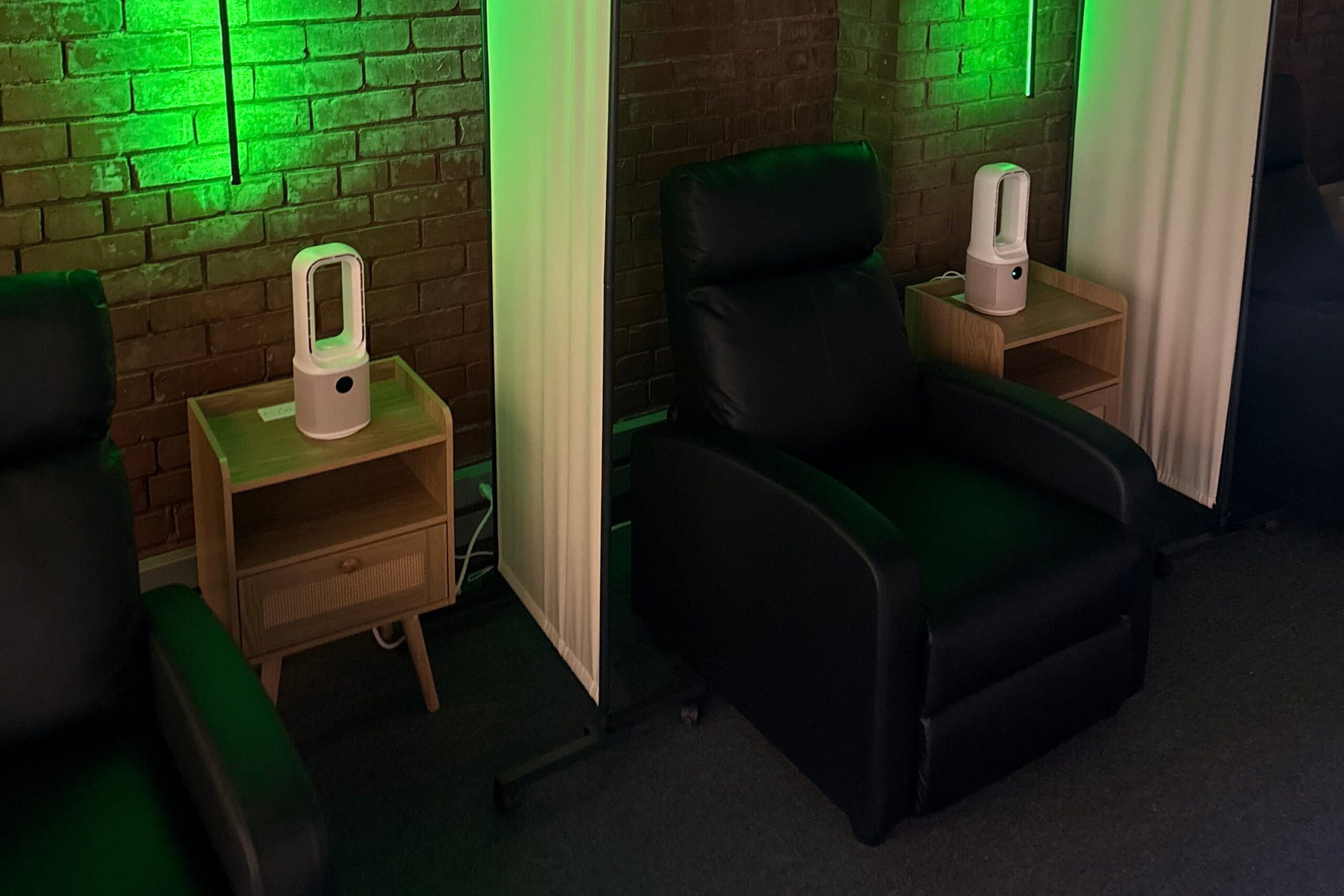
Infusions take place in a calm, medically supervised environment where patients remain monitored throughout each session. Although the ketamine infusion itself is shorter, appointments generally last about two to three hours, including preparation, treatment, and post-infusion monitoring.
Some individuals experience temporary dissociative sensations during treatment, often described as dreamlike or detached from normal awareness. These effects are expected, carefully watched, and generally resolve shortly after treatment ends.
Keep in mind, patients are never left alone during treatment and remain under the care of licensed providers throughout the process. Because ketamine can temporarily affect coordination and alertness, patients should arrange transportation home following each appointment.
Our Providers
At Time For Ketamine, treatment is delivered by licensed medical professionals experienced in administering ketamine therapy within a structured clinical setting. Care focuses on patient safety, individualized treatment planning, and creating an atmosphere where people feel respected, informed, and fully supported.

Hannah Bandy, LMSW
Psychotherapist

Rusty Lowry
Program Director

Rachel Wise, ARNP
Psychiatric Nurse Practitioner
Our Locations
Time For Ketamine offers services in Tennessee and Georgia.
Visit us today to learn more about our locations.
Frequently Asked Questions
Can Ketamine Really Help With PTSD, or Is It Mainly for Depression?
Yes—there is a growing body of clinical research supporting ketamine’s effectiveness for PTSD specifically. Studies from Mount Sinai and the VA have shown significant reductions in symptom severity, including hyperarousal, avoidance, and intrusive memories.
I’ve Tried EMDR and Multiple Medications Without Success. Is Ketamine Worth Trying?
Many patients who come to us have exhausted first-line PTSD treatments. Ketamine works through a different mechanism than SSRIs or therapy alone—targeting glutamate receptors and promoting neuroplasticity—which may help the brain process traumatic memories more effectively.
Is Ketamine Therapy Available for Veterans?
Yes. We welcome veterans and understand the unique challenges they face. While ketamine is not currently covered by the VA, we can discuss payment options and work with you on next steps.
How Is Ketamine-Assisted Psychotherapy Different From Just Getting an Infusion for PTSD?
Standard infusions provide neurobiological relief. KAP pairs the infusion with structured therapy sessions before and after, allowing for deeper psychological processing. Many PTSD patients benefit specifically from the KAP approach.
Will I Have to Relive My Trauma During the Ketamine Session?
No. You are not directed to revisit traumatic memories during an infusion. The experience is guided and supportive. In KAP, any trauma processing happens in integration sessions with a therapist, at your own pace and comfort level.
Find Ketamine Therapy for PTSD
Living with PTSD can become physically and emotionally exhausting, especially when symptoms continue despite years of treatment efforts. Exploring another option does not mean previous work has failed. It means you are continuing to look for a path that may help you move forward.
If you have been searching for ketamine PTSD near me or exploring alternatives for persistent trauma symptoms, Time For Ketamine can help you determine whether ketamine therapy may be a good fit for you. Contact us today to learn more about ketamine treatment for PTSD and schedule a confidential consultation.